
Occupational Qualification · R32
Discretionary Grant · UpcomingReligious Associate Professional (Hindu Congregational Leader)
- NQF Level
- NQF Level 6
- Credits
- 297
- Duration
- —
- SAQA ID
- 102002
Official QCTO Registry Profile
Source: SAQA / QCTO registry- SAQA ID
- 102002
- Min Credits
- 297
- Registered
- 2018-07-01
- Re-registration
- 2025-12-30
- Field
- Field 07 - Human and Social Studies
- Sub-field
- Religious and Ethical Foundations of Society
Sample Asset Preview
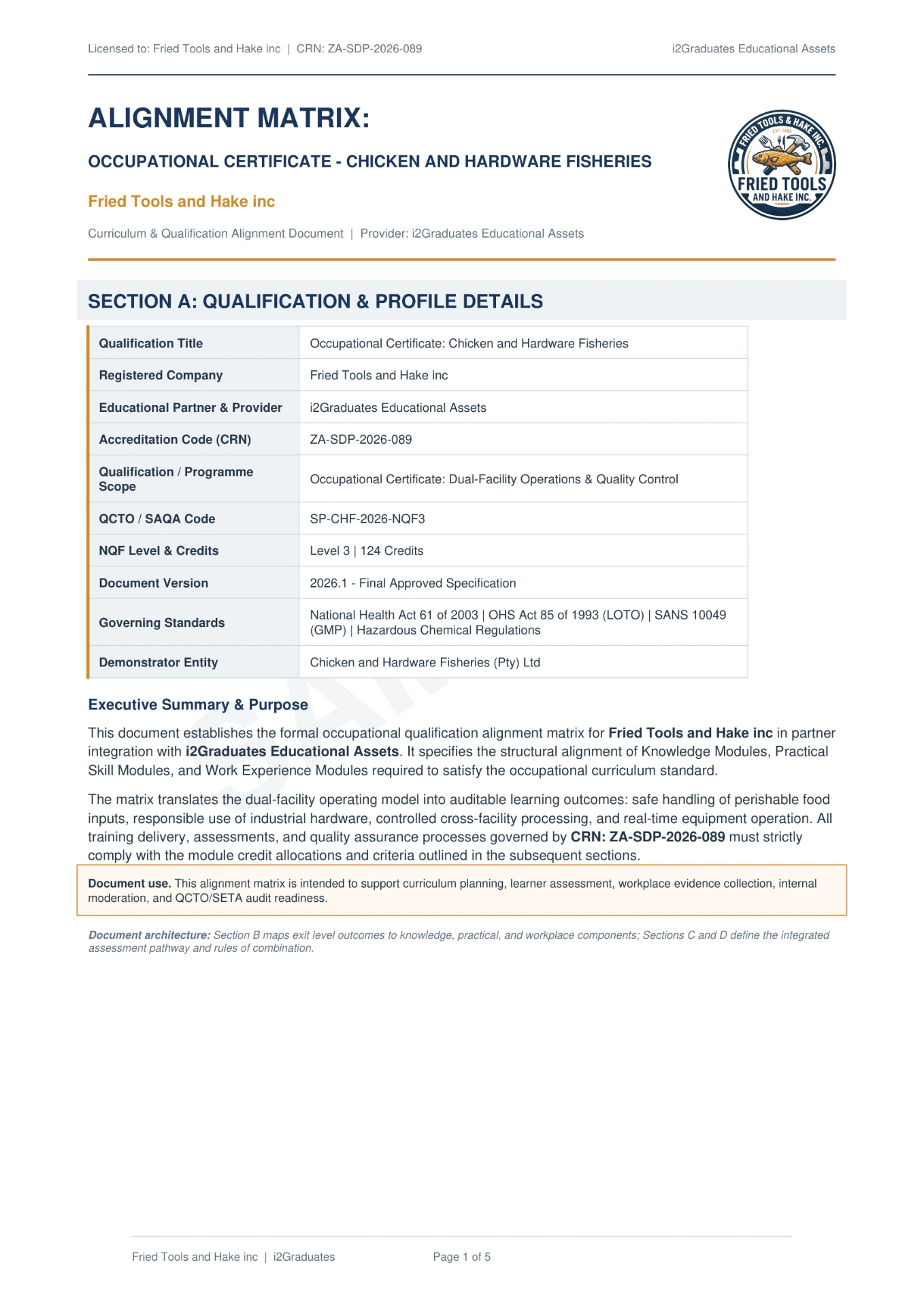
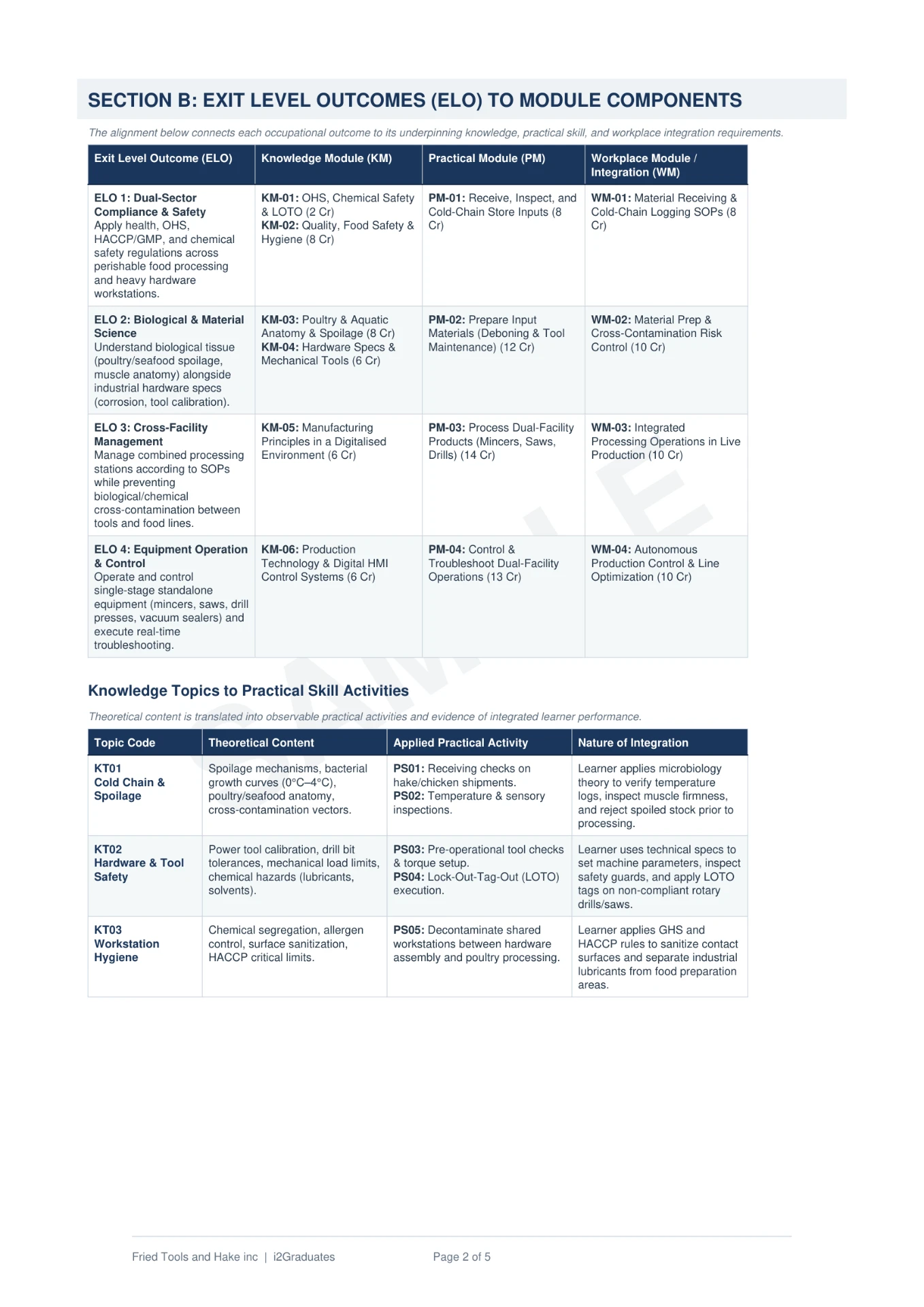
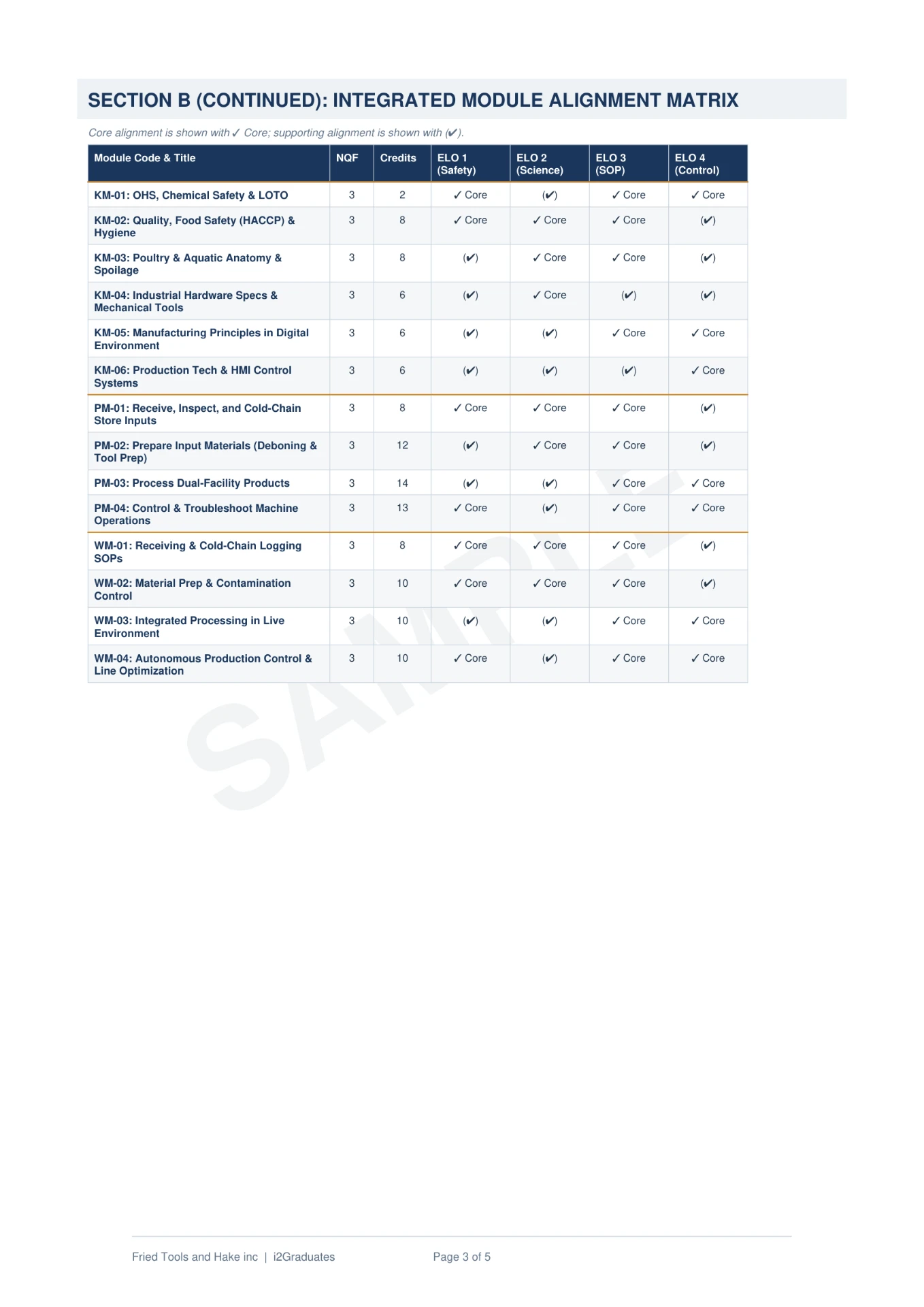
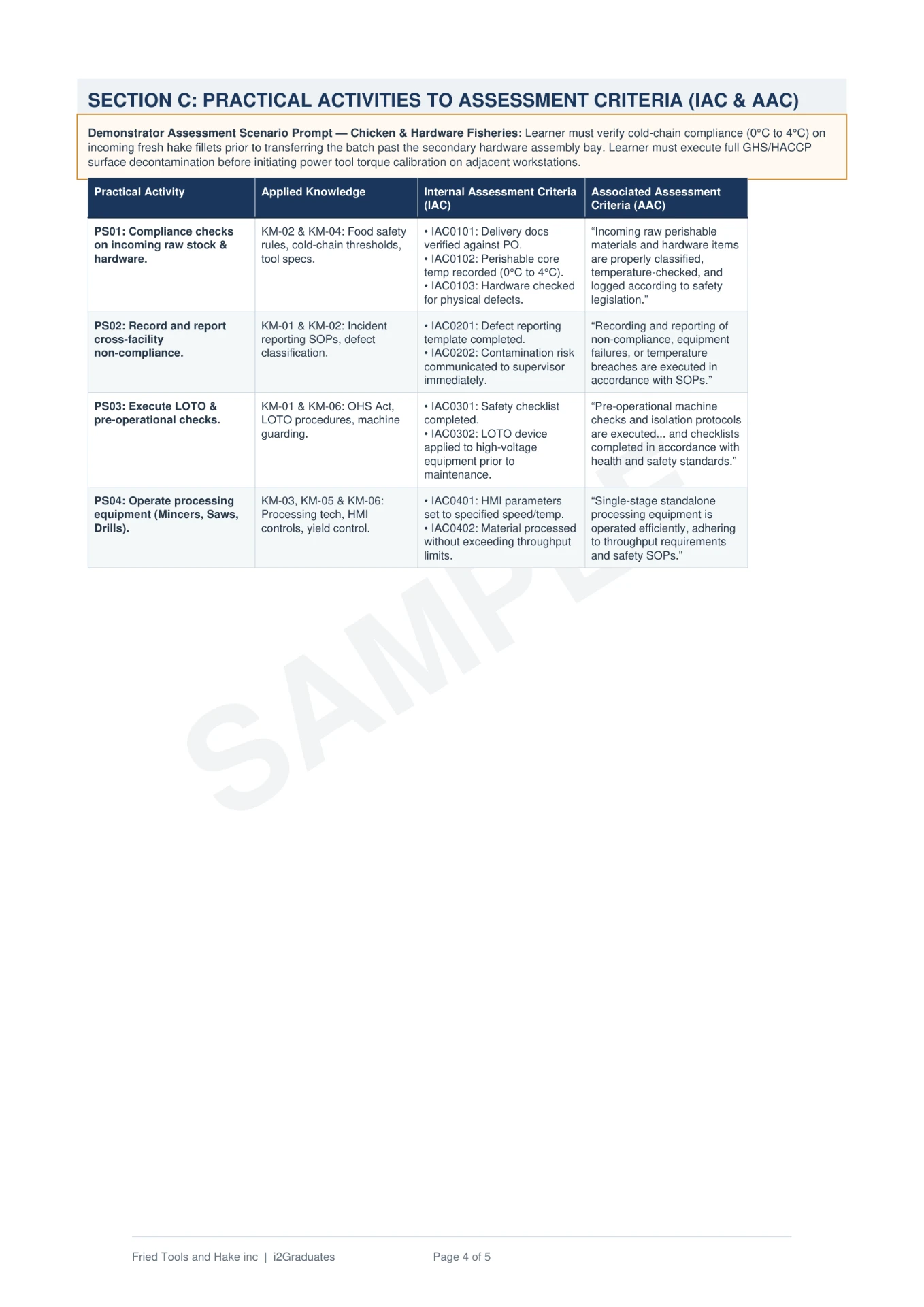
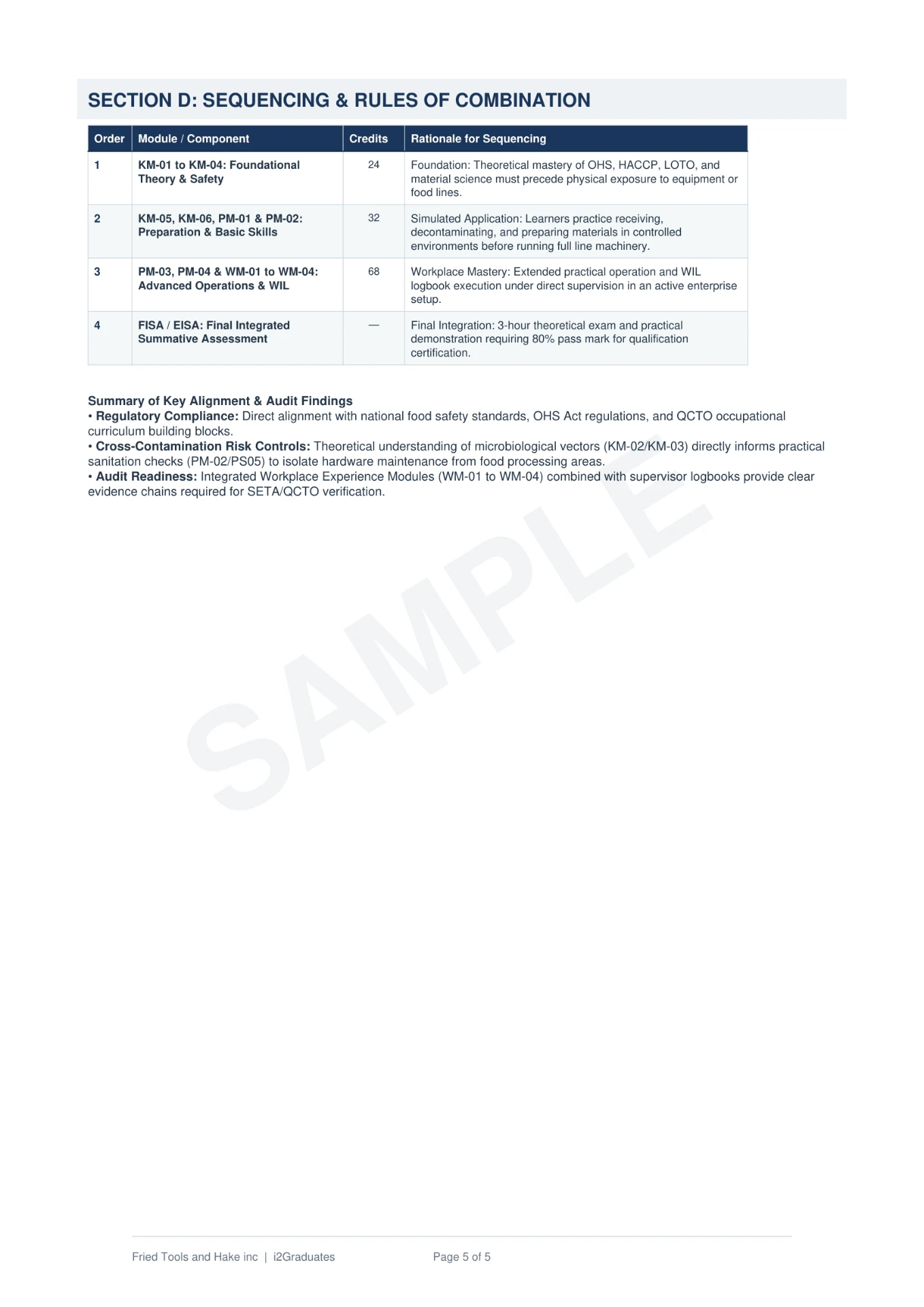
Overview & Scope
Programme Profile
- Target Designation
- Certified Religious Associate Professional (Hindu Congregational Leader) Practitioner
- Competency Focus
- Master specialised practical applications, safety criteria, and regulatory mandates required of a qualified Religious Associate Professional (Hindu Congregational Leader).
- Academic Weight
- Full national recognition at NQF Level 6 yielding 297 credits upon successful PoE verification.
- Work Opportunities
- Deployment across As a qualified religious associate professional (hindu congregational leader), you can find employment opportunities in Healthcare, Wellness, Social Development. Your skills will be in demand across both public and private sectors, and you may also choose to work as an independent contractor or start your own business in this field. operations under HW SETA scope.
- Audit Objective
- Bridges operational skills deficits under the governing HW SETA quality matrix.
- Value Proposition
- Measurable, legally compliant skills that optimise productivity, satisfy Workplace Skills Plans (WSP), and unlock B-BBEE scorecard weight.
Introduction▾
The Religious Associate Professional (Hindu Congregational Leader) is a Occupational Certificate set at NQF Level 6, comprising 297 credits. This qualification has been carefully developed to provide you with the essential knowledge, practical skills, and workplace experience needed to excel in your chosen field. Whether you are starting your career or looking to formalise your existing expertise, this programme offers a structured pathway to competence and recognition.
Purpose▾
The purpose of this qualification is to prepare a learner to operate as a Hindu Congregational Leader. A Hindu Congregational Leader conducts rites, rituals and ceremonies in order to minister to the spiritual needs of the Hindu community. A qualified learner will be able to: • Perform rites and rituals in order to improve spiritual awareness, spiritual growth and understanding of the scriptures. • Empower the congregation to understand and practice Hindu values. • Fulfil social responsibilities within a religious context. • Support the Temple management and ensure sustainability (Public Relations). • Participate in and provide leadership to external affairs and support community well-being (Provincial, local, national and regional).
Entry Requirements▾
Recognition of Prior Learning (RPL): RPL for access to the external integrated summative assessment: Accredited providers and approved workplaces must apply the internal assessment criteria specified in the related curriculum document to establish and confirm prior learning. Accredited providers and workplaces must confirm prior learning by issuing a statement of result or certifying a work experience record. RPL for access to the qualification: Accredited providers and approved workplaces may recognise prior learning against the relevant access requirements. Entry Requirements: • National Senior Certificate, Level 4, SAQA ID 49647, with English Communication.
SAQA Rationale▾
The Hindu Community is a reasonably diverse community, but they have, over the last 124 years structured and organised themselves around an organisation called the Hindu Maha Sabha. This organisation has taken up the responsibility of looking after the interests of the total Hindu Community, they have affiliations from most of the Hindu organisations and working relationships with all the organisations. They have also been recognised by government as the body that represents the Hindu interests and as such, representatives of this body serve on a number of inter faith structures that advise government on religious issues. Through their discussions over the years the need for a recognised qualification became very apparent. Currently there are approximately 500 practising priests within South Africa. A problem exists with the registration of these Priests because there is no commonly accepted standard for this. Problems occur in communities where Priests practice without formal qualifications. It is also difficult to recognise qualifications obtained outside South Africa because there is no common standard to measure these qualifications. The Hindu Community, through their national representatives have identified the need to standardize the training of Priests and they will use this qualification for purposes of recognizing Priests. Specific needs that the qualification will meet: The standardisation of the requirements and professionalism of the Hindu Congregational Leaders/Priests is paramount for the achievement of social harmony and moral re-generation in the communities. These leaders play a critical role in influencing their communities regarding a range of social issues, they assist in the debunking of unacceptable myths relating to health issues, support national community development projects and create an environment where Congregational members can find solace for a range of personal and socio-economic challenges. This Occupational Certificate will enable the qualifying practitioners to support their constituency members in hospitals, old age homes, orphanages, prisons etc. It will also create a basis through which possible unethical practices by religious leaders can be identified and effectively managed. Benefits to society: Through the effective implementation of this qualification there will be a reduction of unregulated practices; improvement in the quality of understanding of the religion and cultural values; support for social cohesion; moral regeneration and a preservation of the Hindu culture. It will assist in protecting the integrity of the culture; increasing the communities trust in the Priest and ultimately support the dynamics of a productively functioning civil society. Range of learning and areas of typical employment: The essential focus of the occupational Certificate is on the effective use of the Hindu scriptures and the proper application of the traditions and rituals associated with the various Hindu belief systems. However, the qualification will also enable the Hindu Congregational leader to function effectively as a community leader and to apply sound practices when dealing with the social, emotional and personal problems of congregants. The need for professional referrals is emphasised and qualifying persons will have the capabilities to support the initiative of social and community development professionals. Persons with this qualification will be able to find employment in the various Hindu Temples, in non-governmental organisations and also in the formal social and community development fields. Contribution to the National Development Strategy: The National Development Plan aims to eliminate poverty and reduce inequality by 2030. According to the plan, South Africa can realise these goals by drawing on the energies of its people, growing an inclusive economy, building capabilities, enhancing the capacity of the state, and promoting leadership and partnerships throughout society. The structure and intent of this occupational certificate is in total support of this development strategy. Religious practitioners are key to mobilising communities in supporting economic development and in creating conducive environments for investment and economic growth. The potential impact of this type of qualification on moral re-generation and social harmony alone is invaluable for the eventual achievement of the national objectives of a better life for all the people of South Africa. Learning Pathway: Learners will enter this qualification directly from school, or from the community. There is also a growing demand for this type of qualification from outside of South Africa. This qualification will create an entry into the social services world and articulation from here can be to Higher education qualifications or the Occupational certificates in the various social fields.
Learning Assumed to be in Place & RPL▾
Recognition of Prior Learning (RPL): RPL for access to the external integrated summative assessment: Accredited providers and approved workplaces must apply the internal assessment criteria specified in the related curriculum document to establish and confirm prior learning. Accredited providers and workplaces must confirm prior learning by issuing a statement of result or certifying a work experience record. RPL for access to the qualification: Accredited providers and approved workplaces may recognise prior learning against the relevant access requirements. Entry Requirements: • National Senior Certificate, Level 4, SAQA ID 49647, with English Communication.
Exit Level Outcomes▾
- Perform rites and rituals in order to improve spiritual awareness, spiritual growth and understanding of the relevant Hindu scriptures.
- Empower the congregation to understand and practice Hindu values.
- Fulfil social responsibilities within a religious context.
- Support the Temple management and ensure sustainability.
- Participate in and provide leadership to external affairs and support community well-being.
Learning Material Included
- Learner Guide (Theory and Knowledge Modules)
- Facilitator Guide
- Workplace Logbook
- Formative and Summative Assessment
- Assessor Guide & Marking Memorandum
- SETA / QCTO Alignment Matrix
- Administrative & Onboarding Pack
- Implementation Plan
Moderator-Ready Curriculum Breakdown
7 modules · 186 creditsTheory, regulatory and safety knowledge. Each row carries the registered module code, NQF level and credit weight used for formative assessment rubric mapping.
- 263601001-KM-0137 cr
Hindu Religious Philosophy
NQF Level 6
- 263601001-KM-0225 cr
Social Dynamics
NQF Level 6
- 263601001-KM-0348 cr
Scriptural Literacy
NQF Level 5
Qualification 102002 · Curriculum Architecture
Occupational Certificate: Religious Associate Professional (Hindu Congregational Leader) · NQF Level 6 (297 Credits)
Three Curriculum Pillars
Knowledge Modules
Classroom & E-Learning
- Facilitated lectures & self-study
- Written question banks
- Formative comprehension checks
Practical Skill Modules
Simulated Line Tasks
- Simulated line tasks
- Observation rubrics
- Structured task sheets
Work Experience Modules
On-the-Job Production
- On-the-job rotation
- Mentor logbooks
- Workplace sign-offs
Evidence & Audit Pipeline
Learner Portfolio of Evidence (PoE)Owner · Candidate▾
Admin & Registration
ID, learner contract, induction pack, POPIA consent.
Knowledge Evidence
Written assessments & question banks — KM-01 to KM-07.
Practical Evidence
Task sheets, observation rubrics, assessor photos.
Workplace Evidence
Logbooks, mentor sign-offs, supervisor letters.
Assessor Master FileOwner · Registered Assessor▾
Assessment Reports
Judgements, learner feedback, remediation agreements, appeals log.
Internal Moderation & Quality FileOwner · Moderator / SDP▾
Moderation Evidence
10% sampling matrix, HACCP/LOTO compliance sheets, SDP sign-off.
Final Accreditation Gateway
Issued by the accredited Skills Development Provider once internal moderation is signed off.
Provider submits declaration + PoE to the Assessment Quality Partner (AQP).
QCTO awards the SAQA-registered certificate on successful EISA outcome.
Audit & Compliance
Evidence & Audit Pipeline
From portfolio assembly to external sign-off — the exact route your evidence travels.
- Step 1
PoE Assembly
Learner evidence, formative records and logbook entries filed against the alignment matrix.
- Step 2
Internal Assessment
Registered assessor judges each KM/PM/WM outcome using the supplied instruments.
- Step 3
Internal Moderation
Sampling and verification of assessor decisions, with remediation loop before submission.
- Step 4
External Moderation
SETA/QCTO desktop audit and certification upload against registered credits.
Broken Standard vs i2Graduates Standard
The measurable delta between improvised material and an audit-ready suite.
Broken Standard
i2Graduates Standard
Curriculum Mapping
Photocopied guides with mismatched outcomes
3 KM + 4 PM + 0 WM modules mapped to NQF Level 6
Assessment Bank
Missing formative and summative assessments
Pre-validated assessment bank per module
Alignment Evidence
No alignment matrix — audit fails
HW SETA alignment matrix included
Facilitation
Facilitators improvise Religious Associate Professional (Hindu Congregational Leader) delivery
Facilitator scripts + learner activities per credit
Portfolio of Evidence
PoE gaps flagged in moderation
PoE templates that survive external moderation
Pricing & Delivery Tiers
Base licence from R74 850
Digital Master Suite
Editable master files, licensed to your SDP
- Learner Guide, Facilitator Guide & Assessment Suite
- Workplace logbook + alignment matrix (editable)
- Instant digital delivery under institutional licence
- Free minor corrections for 12 months
Turnkey Print & Bound Package
Printed, bound and couriered per learner
- Everything in the Digital Master Suite
- Full-colour print, wire-bound learner packs
- Per-learner PoE folders and dividers
- Nationwide courier with tracked delivery
Full Enterprise Accreditation Bundle
Assets plus accreditation support end-to-end
- Everything in the Print & Bound Package
- Bespoke QMS build mapped to your scope
- Moderation dry-run + written remediation report
- Brand & metadata integration across the suite
Complementary Services
Optional add-ons that harden your accreditation scope before an external audit.
Bespoke QMS Build
We author your Quality Management System — policies, procedures, records, matrices — mapped to your accreditation scope. From R18,500.
Request QuoteModeration Consultation
External moderation dry-run on your PoE + delivery pack. Written report with fixes before your real audit. From R4,900.
Book Moderation SessionThe i2Graduates Quality Guarantee
Every page of this bundle is checked for sequence and structural accuracy — no missing pages, no shortcuts. You get pre-validated assessment instruments ready to survive rigorous compliance moderation, wrapped in a curriculum your facilitators will enjoy teaching.